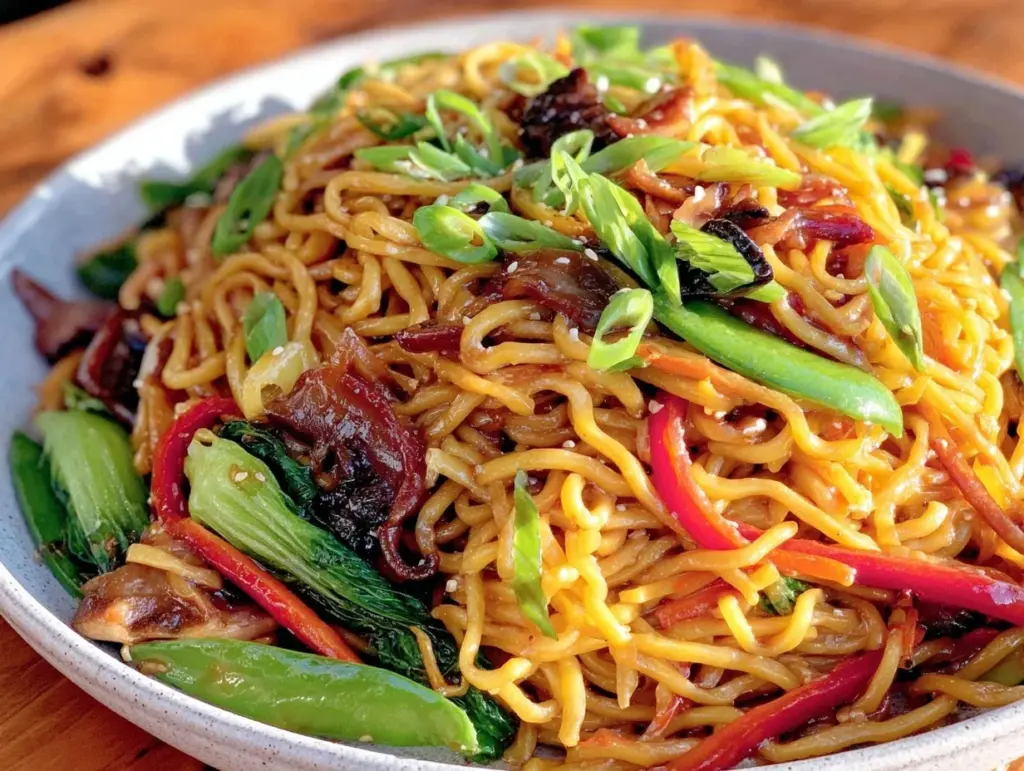
Let me tell you, the smell of garlic and soy sauce sizzling in a hot pan, mingling with the fresh crunch of vibrant vegetables, is enough to make anyone’s mouth water. The first time I whipped up this flavorful lo mein noodles with crisp veggies, I was instantly hooked—the kind of moment where you pause, take a deep breath, and just smile because you know you’re onto something truly special. Years ago, when I was knee-high to a grasshopper, my grandma used to make noodle dishes that felt like a warm hug on a rainy afternoon. This recipe brings back that same cozy feeling but with a fresh, modern twist that’s dangerously easy to pull off.
You know what’s funny? My family couldn’t stop sneaking these noodles off the pan while I was plating—honestly, I can’t really blame them! Whether it’s a quick weeknight dinner or a sweet treat for your kids after school, this lo mein recipe fits the bill. It brightens up any Pinterest cookie board and is perfect for potlucks or anytime you want a satisfying bowl of comfort food with a little crunch. I’ve tested this recipe more times than I can count—in the name of research, of course—and it’s become a staple for family gatherings and gifting alike. Trust me, you’re going to want to bookmark this one.
Why You’ll Love This Recipe
Honestly, this flavorful lo mein noodles recipe with crisp veggies hits all the right notes—easy, tasty, and packed with textures that keep you coming back for more. Here’s why it stands out:
- Quick & Easy: Comes together in under 30 minutes, perfect for busy weeknights or last-minute cravings.
- Simple Ingredients: No fancy grocery trips needed; you likely have most of these ingredients in your pantry or fridge already.
- Perfect for Any Occasion: Whether it’s a cozy dinner or a casual lunch, this recipe fits right in.
- Crowd-Pleaser: Kids and adults alike rave about the crisp veggies paired with flavorful noodles.
- Unbelievably Delicious: The combination of tender noodles and crunchy veggies is comfort food with personality.
What really sets this lo mein apart is the balance—each bite has a little sweet, a little savory, and that subtle garlicky kick that keeps it interesting. Instead of drowning the noodles in heavy sauce, this recipe coats them lightly, letting the veggies shine. Plus, tossing the veggies in a hot wok (or skillet) keeps them crisp, so you don’t end up with a soggy mess. It’s a recipe that’s been tweaked and tested until it feels just right, and honestly, it’s the kind of meal that makes you close your eyes after the first bite and say, “Yep, I nailed it.”
What Ingredients You Will Need
This recipe uses simple, wholesome ingredients to deliver bold flavor and satisfying texture without the fuss. Most are pantry staples, with fresh veggies adding that essential crunch and color.
- Lo Mein Noodles (8 oz / 225 g) – fresh or dried Chinese egg noodles work best; if unavailable, spaghetti is a decent substitute.
- Vegetable oil (2 tablespoons) – for stir-frying; neutral oils like canola or peanut oil are great.
- Garlic (3 cloves, minced) – adds that irresistible aromatic base.
- Ginger (1 teaspoon, minced) – for a subtle zing.
- Soy sauce (3 tablespoons) – I prefer low-sodium Kikkoman for balanced saltiness.
- Oyster sauce (1 tablespoon) – optional but adds depth; use vegetarian oyster sauce for a plant-based version.
- Sesame oil (1 teaspoon) – a little goes a long way for that nutty finish.
- Brown sugar (1 teaspoon) – balances the savory with a touch of sweetness.
- Carrot (1 medium, julienned) – adds color and crunch.
- Bell pepper (1 medium, thinly sliced) – any color works; I love red for sweetness.
- Snow peas (1 cup / 100 g) – fresh and crisp, a must-have in this mix.
- Green onions (2, sliced) – fresh bite and color.
- Bean sprouts (1 cup / 50 g) – optional, but they bring freshness and crunch.
- Salt and pepper – to taste.
Feel free to swap in seasonal vegetables like broccoli florets or snap peas if you like. I’ve tried this recipe with frozen veggies in a pinch, but fresh is definitely the way to go for that crisp bite.
Equipment Needed
- Large pot – to boil noodles (a standard 4-quart pot works fine).
- Wok or large skillet – a wok is ideal for quick, high-heat cooking, but a roomy skillet will do just fine.
- Colander or strainer – to drain noodles.
- Sharp knife – for slicing veggies thinly and evenly.
- Cutting board – preferably a sturdy one to handle all the chopping.
- Mixing bowl – to toss the sauce ingredients together.
- Tongs or chopsticks – helpful for tossing noodles and veggies in the pan.
If you don’t have a wok, a large nonstick skillet heats evenly and prevents sticking. For budget-friendly options, a sturdy cast iron skillet works wonders once properly seasoned. Keeping your knife sharp will save you so much time and frustration when prepping vegetables—trust me, I learned that the hard way.
Preparation Method
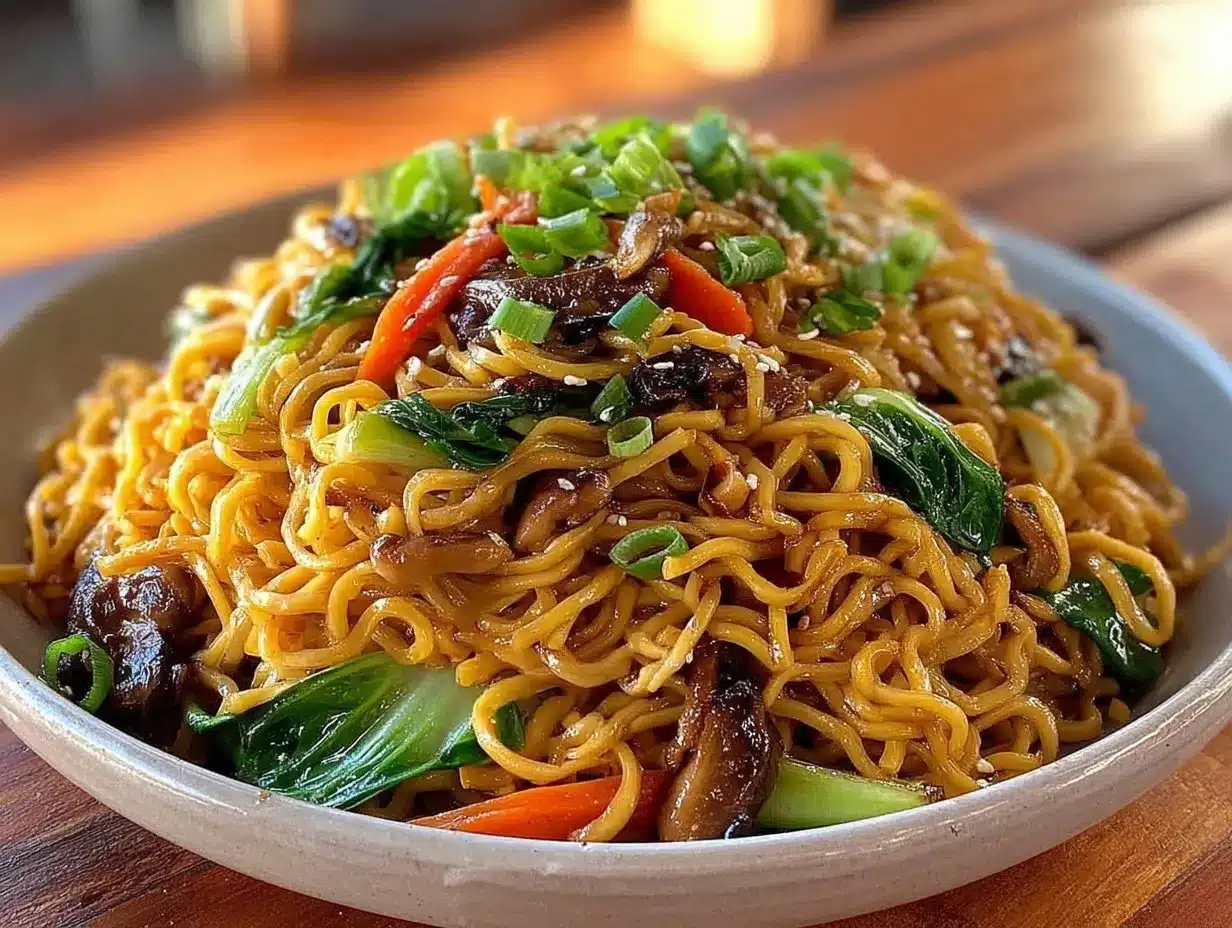
- Cook the noodles: Bring a large pot of water to a boil. Add the lo mein noodles and cook according to package instructions—usually 3 to 5 minutes for fresh egg noodles or 7 to 8 minutes for dried. Stir occasionally to prevent sticking. The noodles should be tender but still have a slight bite (al dente). Drain and rinse under cold water to stop cooking. Set aside and toss with a teaspoon of oil to keep them from sticking.
- Prepare the sauce: In a small bowl, whisk together soy sauce (3 tbsp), oyster sauce (1 tbsp), sesame oil (1 tsp), and brown sugar (1 tsp). Set aside. This sauce is your flavor powerhouse—balanced salty, sweet, and nutty.
- Prep the veggies: While the noodles cook, wash and slice all vegetables. Julienne the carrot, thinly slice the bell pepper, trim the snow peas, and slice the green onions. Keep everything ready to go because stir-frying happens fast!
- Heat the wok or skillet: Place your wok or large skillet over medium-high heat. Add 2 tablespoons of vegetable oil and swirl to coat.
- Sauté aromatics: Add minced garlic and ginger to the hot oil. Stir constantly for about 30 seconds until fragrant but not browned—burnt garlic tastes bitter, so keep an eye on it.
- Cook the vegetables: Toss in the carrots and bell peppers first since they take a bit longer. Stir-fry for about 2 minutes, then add in the snow peas and bean sprouts. Keep everything moving so the veggies stay crisp and vibrant. After about 2 more minutes, add the green onions. You want your veggies tender-crisp, not mushy.
- Add noodles and sauce: Turn the heat to high and add the cooked noodles to the pan. Pour the sauce over everything. Use tongs or chopsticks to toss and combine, ensuring noodles are evenly coated and heated through. This should take about 2 to 3 minutes. If it looks dry, sprinkle a splash of water or broth to loosen it up.
- Taste and adjust: Give it a quick taste and add salt or pepper if needed. Sometimes I add a pinch of crushed red pepper flakes for a little heat.
- Serve immediately: Transfer to plates or bowls and, if you like, garnish with extra green onions or a drizzle of sesame oil for that finishing touch.
Pro tip: Don’t overcrowd the pan. If your wok isn’t big enough, cook veggies in batches to keep that perfect crispness. And remember, high heat is your friend here—it locks in flavor and texture fast.
Cooking Tips & Techniques
There’s an art to getting lo mein just right, and I’ve learned a few tricks over the years. First off, never overcook your noodles. They should be tender but still a bit firm—otherwise, they turn mushy when stir-fried. Rinsing noodles under cold water right after cooking helps stop them from continuing to cook and clumping together.
When stir-frying, make sure your pan is hot before adding oil. A hot wok ensures quick cooking and that lovely sear on veggies. Moving ingredients around quickly keeps the veggies crisp—let them sit too long and you’re headed for soggy territory.
Another tip: prep everything before you start cooking because stir-frying is a fast process. It’s no fun scrambling to chop veggies while things are already sizzling.
Don’t be shy about seasoning as you go. Taste after adding the sauce and adjust if needed—sometimes soy sauces vary in saltiness. Also, a tiny splash of water or broth can rescue a dry pan and help the sauce coat everything evenly.
Lastly, I once forgot to add sesame oil at the end of the cook and felt something was missing. That nutty hint is a game-changer, so don’t skip it!
Variations & Adaptations
Want to switch things up? Here are some variations to make this lo mein recipe truly your own:
- Protein boost: Add cooked chicken, shrimp, tofu, or beef strips. Toss them in at the same time as the noodles for a heartier meal.
- Low-carb version: Swap noodles for spiralized zucchini or shirataki noodles. The sauce and veggies stay the same, delivering that flavor punch without the carbs.
- Spicy twist: Add chili garlic sauce or a pinch of red pepper flakes to the sauce. I’ve tried this with a dash of sriracha, and it’s a real crowd-pleaser for spice lovers.
- Gluten-free adaptation: Use tamari or coconut aminos instead of soy sauce, and gluten-free noodles or rice noodles instead of traditional egg noodles.
- Seasonal swaps: In spring, toss in asparagus or snap peas; in fall, try shredded cabbage or mushrooms for a cozy vibe.
Personally, I love tossing in some roasted cashews or peanuts just before serving for an extra crunch and nutty flavor. It’s a small addition but adds a beautiful texture contrast.
Serving & Storage Suggestions
This flavorful lo mein noodles recipe is best served hot and fresh, right off the stove, when the noodles are silky and the veggies still have that satisfying snap. Plate it in wide bowls to show off the colorful mix of veggies. Garnish with extra sliced green onions or a sprinkle of toasted sesame seeds for a professional touch.
It pairs wonderfully with simple sides like steamed dumplings, hot and sour soup, or even a crisp Asian cucumber salad to balance the rich flavors.
If you have leftovers, store them in an airtight container in the refrigerator for up to 3 days. When reheating, add a splash of water or broth to loosen the noodles and gently warm in a skillet over medium heat to keep the veggies from getting mushy. Microwaving works too, but stir halfway through for even heating.
Interestingly, some say the flavors deepen after a day, so leftovers can be just as tasty, if not better, when reheated.
Nutritional Information & Benefits
This lo mein recipe offers a balanced mix of carbohydrates, fiber, and vitamins thanks to the fresh vegetables and noodles. A typical serving (about 1.5 cups) contains roughly 350-400 calories, with moderate protein and low fat when made without added proteins.
Key ingredients like garlic and ginger not only boost flavor but also bring antioxidant and anti-inflammatory benefits. The veggies contribute fiber, vitamin C, and other nutrients essential for a healthy diet.
For those watching gluten intake, switching to gluten-free noodles and tamari sauce makes this recipe accessible without losing its charm.
From a wellness perspective, this dish is light enough for a weekday meal but satisfying enough to keep you full without feeling weighed down—a nice balance of comfort and nutrition.
Conclusion
If you’re craving a quick, tasty, and satisfying dinner, this flavorful lo mein noodles with crisp veggies recipe is a no-brainer. It’s flexible, approachable, and delivers that perfect combo of tender noodles and crunchy veggies you’ll want again and again. Honestly, it feels like a warm hug on a plate, and I love how easy it is to make it your own with different proteins or veggies.
Give it a try, experiment with your favorite add-ins, and don’t forget to share how it turns out! Drop a comment below with your twists or questions—let’s keep this noodle love going. You’re going to want to make this one a regular in your dinner rotation.
Happy cooking and happy eating!
FAQs
- Can I use spaghetti instead of lo mein noodles?
Yes! Spaghetti works as a decent substitute if you don’t have lo mein noodles on hand. Just cook it al dente and rinse with cold water before stir-frying. - How do I keep my veggies crisp and not soggy?
Cook the veggies on high heat and don’t overcrowd the pan. Stir-fry quickly and in batches if needed to preserve their crunch. - Can I make this recipe vegan?
Absolutely! Skip the oyster sauce or use a vegetarian version, and make sure your noodles don’t contain eggs. - What can I do if I don’t have oyster sauce?
You can substitute with hoisin sauce or add a bit more soy sauce and a pinch of sugar to mimic the sweetness and depth. - How long can leftovers be stored?
Store leftovers in an airtight container in the fridge for up to 3 days. Reheat gently with a splash of water to keep noodles from drying out.
Pin This Recipe!

Flavorful Lo Mein Noodles Recipe with Crisp Veggies
A quick and easy homemade lo mein recipe featuring tender noodles and crisp vegetables, perfect for a satisfying weeknight dinner or casual lunch.
- Prep Time: 10 minutes
- Cook Time: 15 minutes
- Total Time: 25 minutes
- Yield: 4 servings 1x
- Category: Main Course
- Cuisine: Chinese
Ingredients
- 8 oz (225 g) lo mein noodles (fresh or dried Chinese egg noodles; spaghetti as substitute)
- 2 tablespoons vegetable oil (canola or peanut oil recommended)
- 3 cloves garlic, minced
- 1 teaspoon ginger, minced
- 3 tablespoons soy sauce (low-sodium preferred)
- 1 tablespoon oyster sauce (optional; vegetarian oyster sauce for plant-based version)
- 1 teaspoon sesame oil
- 1 teaspoon brown sugar
- 1 medium carrot, julienned
- 1 medium bell pepper, thinly sliced (any color)
- 1 cup (100 g) snow peas
- 2 green onions, sliced
- 1 cup (50 g) bean sprouts (optional)
- Salt and pepper to taste
Instructions
- Bring a large pot of water to a boil. Add the lo mein noodles and cook according to package instructions—usually 3 to 5 minutes for fresh egg noodles or 7 to 8 minutes for dried. Stir occasionally to prevent sticking. Drain and rinse under cold water to stop cooking. Toss with a teaspoon of oil to prevent sticking and set aside.
- In a small bowl, whisk together soy sauce, oyster sauce, sesame oil, and brown sugar. Set aside.
- Wash and slice all vegetables: julienne the carrot, thinly slice the bell pepper, trim the snow peas, and slice the green onions. Keep ready for stir-frying.
- Heat a wok or large skillet over medium-high heat. Add 2 tablespoons of vegetable oil and swirl to coat.
- Add minced garlic and ginger to the hot oil. Stir constantly for about 30 seconds until fragrant but not browned.
- Add carrots and bell peppers first and stir-fry for about 2 minutes. Then add snow peas and bean sprouts, stir-frying for another 2 minutes. Add green onions last and cook until veggies are tender-crisp.
- Turn heat to high and add cooked noodles to the pan. Pour the sauce over everything. Toss with tongs or chopsticks to combine and heat through, about 2 to 3 minutes. Add a splash of water or broth if the mixture looks dry.
- Taste and adjust seasoning with salt, pepper, or crushed red pepper flakes if desired.
- Serve immediately, garnished with extra green onions or a drizzle of sesame oil if desired.
Notes
Do not overcook noodles; rinse under cold water to stop cooking and prevent clumping. Stir-fry veggies on high heat and avoid overcrowding the pan to keep them crisp. Add sesame oil at the end for a nutty finish. For gluten-free, use tamari or coconut aminos and gluten-free noodles. Protein additions like chicken, shrimp, tofu, or beef can be added with the noodles.
Nutrition
- Serving Size: About 1.5 cups per s
- Calories: 375
- Sugar: 8
- Sodium: 700
- Fat: 8
- Saturated Fat: 1
- Carbohydrates: 65
- Fiber: 5
- Protein: 10
Keywords: lo mein, noodles, stir-fry, vegetables, easy dinner, quick meal, homemade, Chinese cuisine, vegetarian option