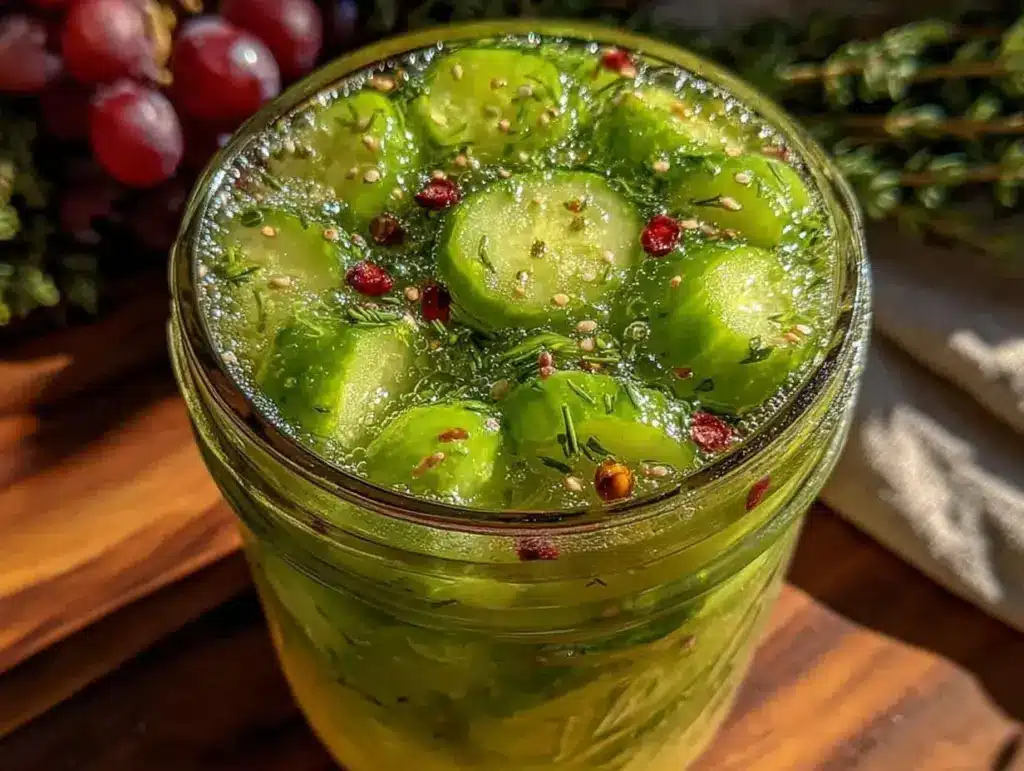
“You’ve got to try these overnight pickles,” my coworker texted me one unexpectedly hectic afternoon. Honestly, I was skeptical—pickling sounded like one of those long, complicated projects I’d never quite get around to. But with a hectic schedule and a stubborn craving for something tangy and fresh, I figured, why not? Little did I know this simple, fresh probiotic-rich overnight refrigerator pickles recipe would become my quick gut-health go-to, popping up on my kitchen counter almost every week.
The moment I opened the jar, that crisp snap and zingy aroma hit me in a way that felt like a reset for my taste buds and my gut. No fuss, no hours of waiting, just pure, crunchy delight packed with natural probiotics. It’s funny how something so simple—that I almost brushed off—ended up feeling like a little daily wellness ritual. This recipe stuck with me not just because it tastes amazing, but because it fits right into my “quick but meaningful” kitchen moments.
What makes these pickles stand out is how they manage to be both fresh and fermented, delivering that punch of probiotic goodness without the usual wait. There’s a subtle tang, a fresh crunch, and the kind of depth that turns ordinary cucumbers into something you want to reach for again and again. And honestly, they’ve been a game changer for my gut health routine—something I never thought pickles could be.
So, if you’re curious about adding a simple probiotic-rich snack to your fridge that’s ready overnight, this is a recipe you’ll want to tuck away. It’s one of those rare kitchen wins that tastes like care and feels like a small, satisfying achievement.
Why You’ll Love This Recipe
From my many kitchen trials and gut-friendly experiments, this fresh probiotic-rich overnight refrigerator pickles recipe shines because it’s:
- Quick & Easy: Ready to enjoy in just 12 hours, perfect for busy weeknights or when you want a healthy snack without the wait.
- Simple Ingredients: No need for fancy jars or rare spices; you probably already have everything in your pantry and fridge.
- Perfect for Gut Health: Naturally fermented to boost probiotics, aiding digestion and supporting a happy gut.
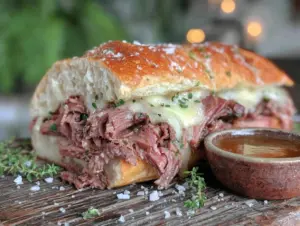
- Crowd-Pleaser: Whether you’re serving them alongside the crispy ultimate Reuben sandwich or as a tangy side, they always get raves.
- Unbelievably Delicious: The perfect balance of crunch, tang, and subtle spice hits just right every time.
What sets this recipe apart is the clever overnight fermentation technique that keeps the pickles crisp while gently introducing probiotics—no need for complicated canning or days of waiting. Plus, I love how you can tweak the spice blend to make it your own, whether you lean into garlic-heavy notes or want a touch of dill freshness.
This isn’t your average jar of pickles; it’s a fresh, lively, probiotic-rich snack that feels like a small, delicious act of self-care. They’re especially great when you want to add a bright, healthy crunch to meals like the fresh healthy quinoa salad or even just grab as a quick bite to reset your palate mid-afternoon.
What Ingredients You Will Need
This recipe uses simple, wholesome ingredients to deliver bold flavor and satisfying texture without any fuss. Most are pantry staples or easy to find, and many can be swapped to suit your taste or dietary needs.
- Fresh cucumbers: Small Kirby or Persian cucumbers work best for their firm texture and thin skin.
- Filtered water: Avoid chlorinated tap water to keep fermentation happy.
- Sea salt or kosher salt: Use non-iodized salt for best fermentation results (I recommend Diamond Crystal kosher salt).
- Fresh garlic cloves, smashed: Adds depth and an antimicrobial boost.
- Dill sprigs: Fresh dill gives that classic pickle flavor; substitute with dried if fresh is unavailable.
- Black peppercorns: Whole peppercorns lend gentle heat and complexity.
- Mustard seeds: Adds a subtle tangy pop and texture.
- Optional chili flakes: For a little kick, adjust to your spice preference.
If you want to mix it up, adding a few slices of fresh ginger or a splash of apple cider vinegar can tweak the flavor profile nicely. For a dairy-free probiotic boost, you could even add a small spoonful of whey from yogurt—though it’s not necessary here.
Seasonal note: In summer, you can toss in thin slices of fresh radish or carrots for extra crunch and color. For a gluten-free twist, this recipe is naturally safe as it contains no gluten ingredients.
Equipment Needed
- Glass jar with a tight-fitting lid: A quart (1 L) Mason jar works perfectly. I’ve used old pickle jars and they do the trick too.
- Measuring spoons: For accurate salt and spice measurements.
- Small bowl or pitcher: To mix the brine.
- Knife and cutting board: For slicing cucumbers and garlic.
- Weight or small clean object: To keep cucumbers submerged under the brine (a small glass fermentation weight or a clean stone works well).
Don’t worry if you don’t have a fermentation weight; a small zip-lock bag filled with brine or even a clean, food-safe plastic bag with a little water can do the job. I’ve tried a few alternatives, and keeping those cucumbers submerged is the only real trick for perfectly crunchy pickles.
Preparation Method
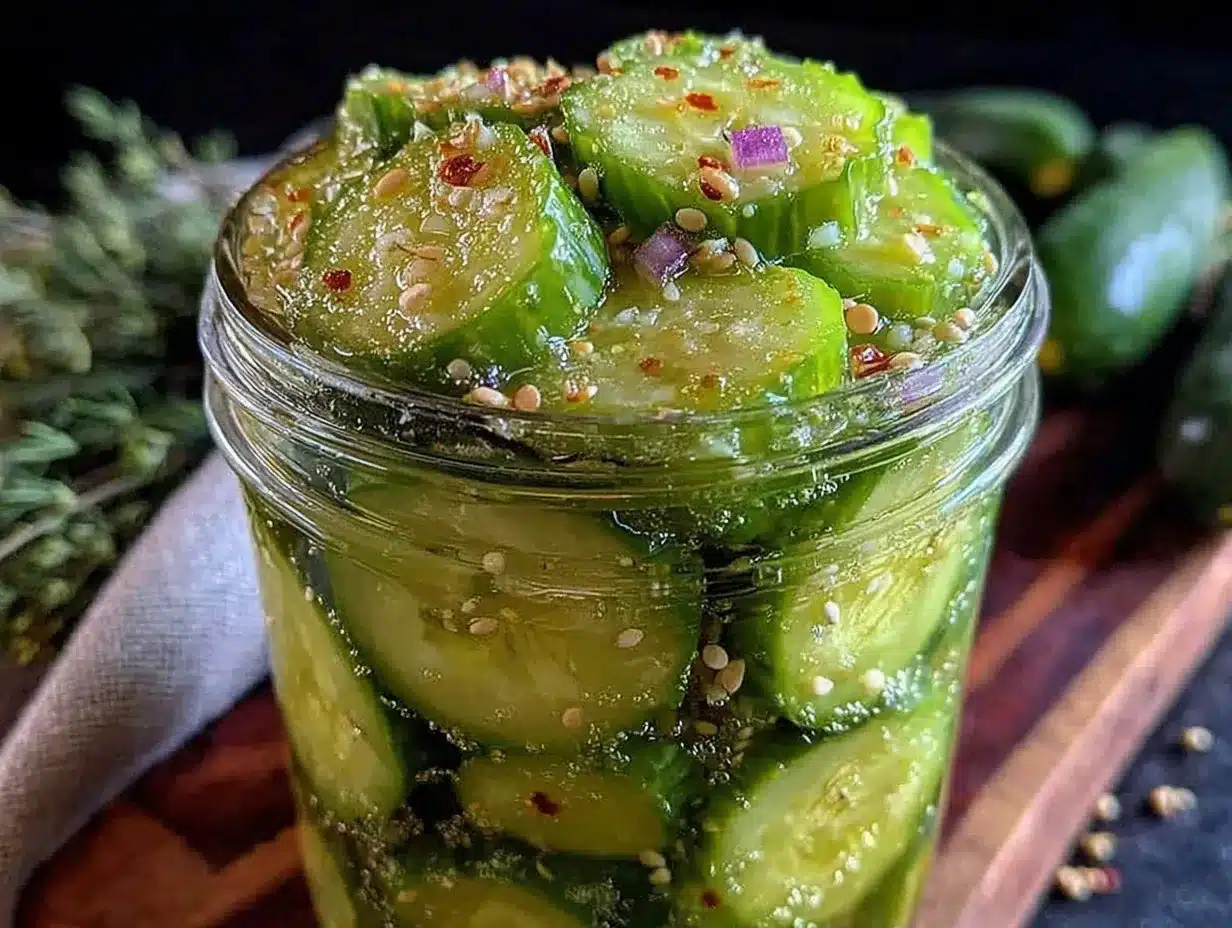
- Prepare the cucumbers: Wash about 4 to 5 small Kirby cucumbers (approximately 1 pound or 450 g). Trim off the blossom ends to prevent softening during fermentation. Slice them into 1/4-inch (0.6 cm) thick rounds or spears, depending on your preference. This takes about 5-7 minutes.
- Make the brine: In a small bowl, dissolve 1 tablespoon (18 g) of sea salt into 1 cup (240 ml) of filtered water. Stir until the salt is fully dissolved. This simple brine is the base that encourages good bacteria to thrive.
- Pack the jar: Place 2-3 smashed garlic cloves, 2 sprigs of fresh dill, 1 teaspoon (2 g) mustard seeds, 1 teaspoon (2 g) black peppercorns, and optional 1/4 teaspoon (0.5 g) chili flakes at the bottom of your quart jar. Then, pack the cucumber slices tightly but without crushing. Make sure to leave at least 1 inch (2.5 cm) of headspace at the top.
- Add the brine: Pour the saltwater brine over the cucumbers until they’re fully submerged. Use a fermentation weight or another clean object to keep the cucumbers below the liquid line—this helps prevent mold.
- Seal and refrigerate: Close the jar lid tightly and place it in the refrigerator. Because this is a refrigerator pickle, fermentation happens slowly and gently overnight.
- Wait and taste: After about 12 hours (overnight), your pickles should be tangy, crisp, and probiotic-rich. They’re ready to eat but will deepen in flavor the longer they rest, up to a week.
Pro tip: If you notice any white film or harmless yeast (called kahm yeast) on top, just skim it off. The pickles underneath are usually perfectly fine. I’ve learned this the easy way after my first batch!
Cooking Tips & Techniques
Getting perfect overnight refrigerator pickles is easier than it sounds, but here are some tips I’ve picked up from experience:
- Use fresh, firm cucumbers: Avoid cucumbers with soft spots or wrinkles. Freshness equals crunch.
- Trim blossom ends: That little flower end contains enzymes that can make pickles mushy, so snip them off before slicing.
- Salt choice matters: Always use non-iodized salt. Iodine can inhibit fermentation and affect flavor.
- Keep cucumbers submerged: Oxygen exposure leads to unwanted molds. Using a weight or clean object is essential for crisp, safe pickles.
- Don’t rush the brine: Make sure salt dissolves completely before pouring over cucumbers to create an even environment for fermentation.
- Refrigeration slows fermentation: This keeps your pickles crisp but still probiotic-rich, perfect if you want a fast turnaround without the risk of over-fermentation.
I remember my first batch turning out a little too salty because I eyeballed the salt instead of measuring. Lesson learned: measuring salt precisely gives you consistent results and happy taste buds.
Variations & Adaptations
Want to switch things up? This recipe is incredibly flexible—here are some ideas:
- Spice it up: Add sliced jalapeños or a pinch of crushed red pepper flakes for a spicy kick.
- Herbal twist: Swap dill for fresh tarragon or thyme for a different herbal note.
- Garlic-free: If you’re sensitive to garlic, try adding sliced ginger or horseradish for pungency.
- Vinegar variation: For a sharper flavor, add 2 tablespoons (30 ml) of apple cider vinegar to the brine (though true probiotic fermentation will be reduced).
- Fermentation time: If you want stronger fermentation flavors, leave pickles at room temperature for 1-2 days before refrigerating.
One variation I love is adding thin slices of fresh carrots and radishes with the cucumbers to create a colorful, crunchy medley that livens up any snack tray.
Serving & Storage Suggestions
Serve these fresh probiotic-rich overnight pickles chilled straight from the jar as a tangy snack or crunchy side. They pair beautifully with hearty sandwiches like the ultimate Reuben or fresh salads such as the healthy quinoa salad.
Store pickles in the fridge with the lid tightly sealed. They stay crisp and flavorful for up to two weeks, though I rarely see them last that long! The flavors develop and mellow over time, making each bite a little more nuanced.
When reheating isn’t needed—these are best cold or at room temperature. But if you want to add them to cooked dishes, add them just before serving to keep their crunch intact.
Nutritional Information & Benefits
These pickles are low in calories (about 10-15 calories per 2-ounce serving) and packed with probiotics essential for supporting gut health. The fermentation process fosters beneficial bacteria like lactobacillus, which can aid digestion and improve nutrient absorption.
Key ingredients like garlic and dill also offer antioxidants and anti-inflammatory properties. Plus, the salt used is minimal and natural, keeping sodium levels reasonable.
For those following gluten-free or low-carb diets, these pickles are a perfect fit. Just watch out for any added vinegar if strict fermentation is desired for probiotic benefits.
Conclusion
This fresh probiotic-rich overnight refrigerator pickles recipe is one of those rare dishes that blend simplicity, flavor, and health benefits seamlessly. It’s easy to make, requires just a handful of ingredients, and delivers a crunchy, tangy snack that supports your gut with natural probiotics.
Feel free to customize the spices and herbs to match your taste—making it your own probiotic pickle signature. Personally, I love how these pickles have become a staple in my fridge, a small but powerful way to care for myself amid busy days.
If you try this recipe, I’d love to hear how you make it your own!
Frequently Asked Questions
How long do overnight refrigerator pickles last?
They keep well in the fridge for up to two weeks. The flavor develops over time but they remain crisp if submerged properly.
Can I use regular table salt for this recipe?
It’s best to use non-iodized salt like sea salt or kosher salt, as iodine can interfere with fermentation.
Do these pickles need to be fermented at room temperature first?
For quick refrigerator pickles, no. They ferment slowly in the fridge and are ready in about 12 hours. For stronger flavors, you can ferment at room temperature for 1-2 days first.
Can I use other vegetables instead of cucumbers?
Absolutely! Carrots, radishes, or green beans work well for quick refrigerator pickles.
Are these pickles suitable for people with digestive issues?
Yes, because they’re rich in natural probiotics, they can support gut health. However, consult your doctor if you have specific concerns.
Pin This Recipe!
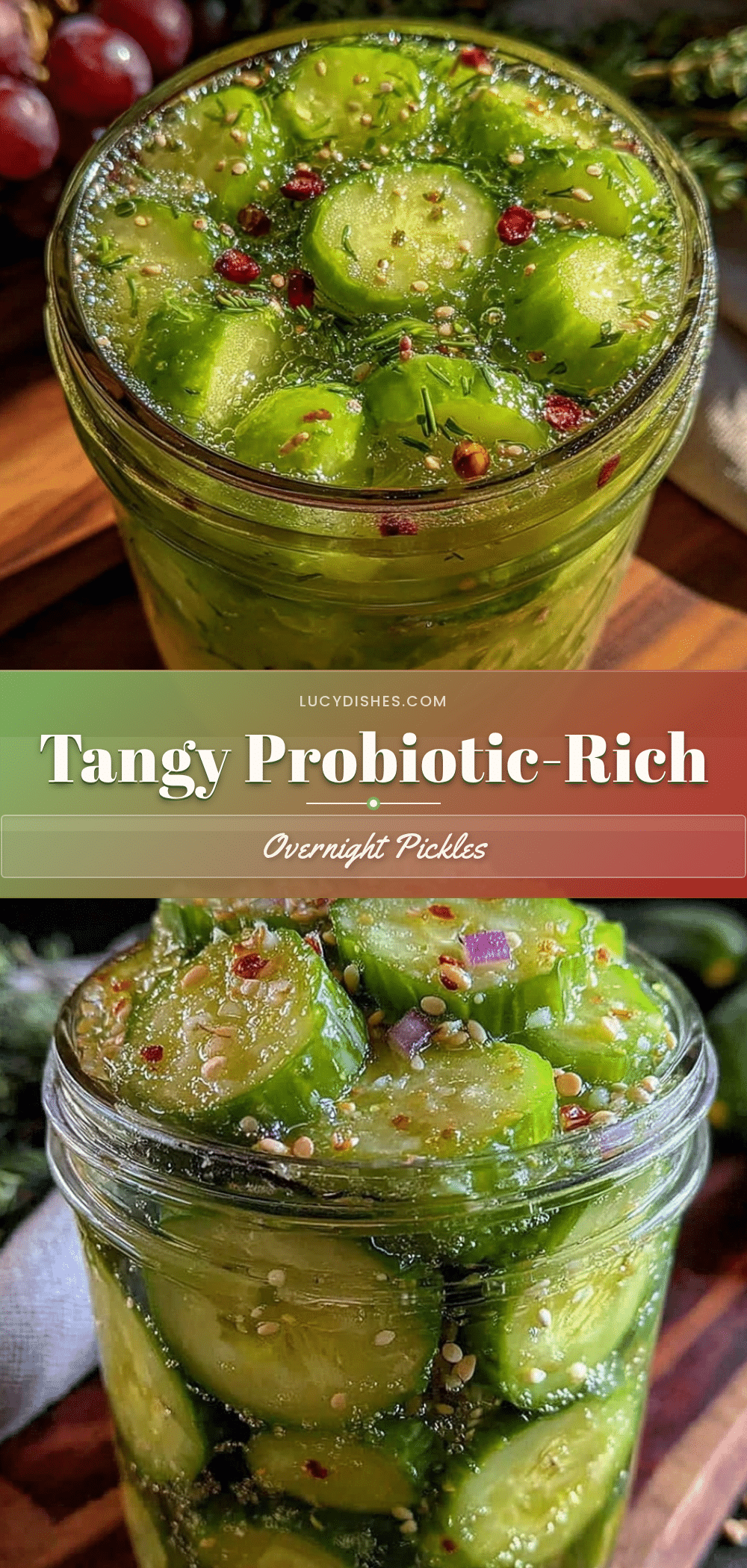
Fresh Probiotic-Rich Overnight Refrigerator Pickles Easy Gut Health Recipe
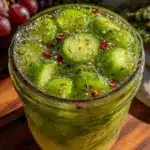
A quick and easy recipe for fresh, probiotic-rich overnight refrigerator pickles that support gut health with natural fermentation and a crisp, tangy flavor.
- Prep Time: 10 minutes
- Cook Time: 12 hours (fermentation time in refrigerator)
- Total Time: 12 hours 10 minutes
- Yield: 4 servings 1x
- Category: Snack, Side Dish
- Cuisine: American
Ingredients
- 4 to 5 small Kirby or Persian cucumbers (about 1 pound or 450 g)
- 1 cup (240 ml) filtered water
- 1 tablespoon (18 g) sea salt or kosher salt (non-iodized)
- 2–3 smashed garlic cloves
- 2 sprigs fresh dill (or dried dill as substitute)
- 1 teaspoon (2 g) mustard seeds
- 1 teaspoon (2 g) black peppercorns
- Optional: 1/4 teaspoon (0.5 g) chili flakes
- Optional variations: sliced jalapeños, crushed red pepper flakes, fresh tarragon or thyme, sliced ginger or horseradish, 2 tablespoons (30 ml) apple cider vinegar, thin slices of fresh carrots or radi…
Instructions
- Wash 4 to 5 small Kirby cucumbers (about 1 pound or 450 g). Trim off the blossom ends to prevent softening during fermentation. Slice into 1/4-inch (0.6 cm) thick rounds or spears.
- In a small bowl, dissolve 1 tablespoon (18 g) of sea salt into 1 cup (240 ml) of filtered water. Stir until fully dissolved to make the brine.
- Place 2-3 smashed garlic cloves, 2 sprigs of fresh dill, 1 teaspoon (2 g) mustard seeds, 1 teaspoon (2 g) black peppercorns, and optional 1/4 teaspoon (0.5 g) chili flakes at the bottom of a quart (1 L) glass jar.
- Pack the cucumber slices tightly into the jar without crushing, leaving at least 1 inch (2.5 cm) of headspace at the top.
- Pour the saltwater brine over the cucumbers until fully submerged. Use a fermentation weight or clean object to keep cucumbers submerged under the brine.
- Seal the jar tightly and place it in the refrigerator. Let ferment slowly overnight for about 12 hours.
- After 12 hours, taste the pickles. They should be tangy, crisp, and probiotic-rich. For stronger flavor, allow to ferment longer up to one week.
- If any white film (kahm yeast) appears on top, skim it off. The pickles underneath remain safe to eat.
Notes
Use non-iodized salt for best fermentation results. Keep cucumbers fully submerged under brine to prevent mold. Trim blossom ends to avoid mushy pickles. If white kahm yeast forms, skim it off. For stronger fermentation flavor, ferment at room temperature 1-2 days before refrigerating. Variations include adding jalapeños, herbs, or vinegar (note vinegar reduces probiotic benefits).
Nutrition
- Serving Size: About 2 ounces (56 g
- Calories: 1015
- Sugar: 1
- Sodium: 400
- Carbohydrates: 2
- Fiber: 1
Keywords: overnight pickles, probiotic pickles, refrigerator pickles, gut health, fermented pickles, quick pickles, easy pickles, healthy snack