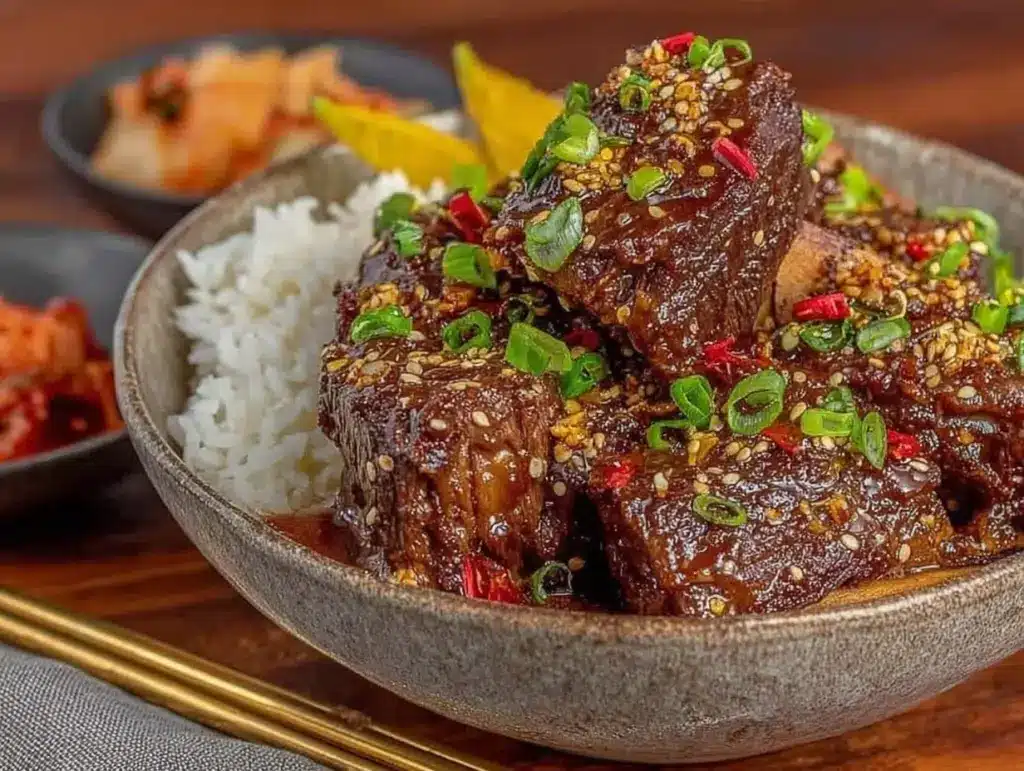
Picture this: the deep, savory aroma of Korean beef short ribs swirling through your kitchen, mingling with a hint of sweet soy and ginger that’s almost impossible to resist. You know those evenings when the rain taps gently on the window and you crave something both hearty and exciting? That’s when I first made these pressure cooker Korean beef short ribs. The sound of the Instant Pot hissing away, the anticipation, and then—oh, that first bite! Tender, fall-apart beef drenched in a sticky glaze that clings to your fingers and makes you want to lick the plate clean.
Honestly, I stumbled on this recipe during a family Sunday dinner, desperately trying to recreate the flavors of a Korean BBQ joint we once visited on vacation (you know, the kind where the grill is built into the table and you get those little side dishes with every meal). My kids, “starving” as usual, hovered around the kitchen, and before I even plated the ribs, they’d snagged a few pieces straight out of the pot. Let’s face it—when your family is sneaking bites before you even call them to the table, you know you’ve hit gold.
Years ago, my grandma would slow-braise beef short ribs all day, but let’s be real—I barely have time to fold laundry, let alone babysit a simmering pot. This pressure cooker method brings all the deep, soulful flavors in a fraction of the time. The sticky glaze? It’s dangerously easy, ridiculously glossy, and loaded with layers of garlic, ginger, brown sugar, and that signature kick of gochujang. Whether you’re looking to impress guests, spice up your weeknight rotation, or just treat yourself to pure, nostalgic comfort, these Korean beef short ribs are the answer. After testing (and tasting!) more times than I care to admit—in the name of research, of course—this recipe has become the centerpiece of our family gatherings and my go-to for dinner parties. Trust me, you’re going to want to bookmark this one.
Why You’ll Love This Recipe
If you’ve ever craved restaurant-quality Korean beef short ribs but didn’t want the hassle (or the takeout bill), this Instant Pot recipe is your secret weapon. Over years of home cooking and countless potlucks, I’ve gathered little tricks to make sure this dish always turns out spectacular. Here’s why you’ll be reaching for this recipe again and again:
- Quick & Easy: From start to finish, you’ll have dinner in about an hour (including hands-off pressure cooking time). Perfect for busy weeknights or when you’re scrambling for a last-minute meal that feels special.
- Simple Ingredients: No wild goose chases—most items are pantry staples or easily found in any grocery store. Even gochujang is popping up in mainstream stores these days!
- Perfect for Sharing: These ribs are the ultimate centerpiece for potlucks, game nights, or family dinners. The sticky glaze looks beautiful (hello, Pinterest-worthy!) and tastes even better.
- Crowd-Pleaser: Kids love the sweet glaze, adults rave about the tender beef and bold flavors. I’ve never met anyone who didn’t go back for seconds.
- Unbelievably Delicious: The pressure cooker transforms the ribs into melt-in-your-mouth goodness, while the glaze brings that addictive sweet-salty-spicy combo that’s pure comfort.
What sets this Korean beef short ribs recipe apart? For starters, the pressure cooker ensures tenderness without hours of simmering. The sticky glaze is balanced—sweet, savory, and a touch spicy—thanks to a special mix of brown sugar, soy sauce, and gochujang. I even sneak in a splash of rice vinegar for brightness. No need to marinate overnight (though you can if you want to). It’s fuss-free, reliable, and flexible for different diets.
This isn’t just another rib recipe—it’s the kind that stops conversations as everyone savors that first bite. Healthier than traditional braised ribs, faster than takeout, but with all the soul-soothing comfort you crave. Whether you want to impress guests or just treat yourself to something memorable, these Korean beef short ribs do the trick every time.
What Ingredients You Will Need
This recipe uses simple, wholesome ingredients to deliver bold flavor and that signature sticky texture without any fuss. Most are pantry staples, so you won’t need a special trip to a Korean market (unless you want to!). Here’s what you’ll need for the most irresistible Korean beef short ribs:
- For the Beef:
- Beef short ribs, bone-in (about 3 lbs / 1.36 kg; look for thick, meaty ribs for best results)
- Salt and pepper (for seasoning the meat before browning)
- For the Braising Liquid:
- Low-sodium soy sauce (1/2 cup / 120 ml; I like Kikkoman for depth)
- Water or beef broth (1/2 cup / 120 ml; broth adds richer flavor)
- Brown sugar (1/3 cup / 70 g; packed, for sweetness and sticky texture)
- Gochujang (2 tablespoons / 30 g; Korean chili paste—adds heat and umami)
- Rice vinegar (2 tablespoons / 30 ml; balances the flavors)
- Sesame oil (1 tablespoon / 15 ml; nutty aroma)
- Garlic, minced (4 cloves; don’t skimp!)
- Ginger, grated (2 tablespoons / 20 g; fresh is best)
- Scallions, chopped (2 stalks; for garnish and flavor)
- For the Sticky Glaze:
- Reserved braising liquid (about 1 cup / 240 ml; see instructions)
- Cornstarch (1 tablespoon / 8 g; thickens the glaze)
- Sesame seeds (for garnish; optional, but they add a nice crunch)
- Optional Add-Ins:
- Carrots, peeled and sliced (adds color and sweetness; toss into the pot with ribs)
- Asian pear, grated (classic in Korean marinades; adds subtle sweetness)
- Fresh chili slices (for extra heat)
- Substitution Suggestions:
- Use tamari for a gluten-free soy sauce option
- Swap brown sugar for coconut sugar if preferred
- Replace beef short ribs with pork ribs or chicken thighs for a twist
- Vegetarian? Try jackfruit chunks for a plant-based version—just adjust cooking time
Honestly, the beauty of this Korean beef short ribs recipe is how adaptable it is. Some days I’ll throw in extra veggies if I’m cleaning out the fridge, or use a splash of apple cider vinegar if I’m out of rice vinegar. The main thing is to keep that sweet-savory-spicy balance—once you get it right, you’ll never go back.
Equipment Needed
Let’s be real—no one wants to bust out their entire arsenal of kitchen gadgets just for dinner. For these Instant Pot Korean beef short ribs, you’ll need just a few trusty tools:
- Pressure cooker/Instant Pot (6-quart or larger): Makes quick work of tough short ribs. If you’re using a stovetop pressure cooker, just adjust the timing a bit.
- Tongs: For turning and browning the ribs. I have a set of silicone-tipped tongs that’s survived years of sticky glazes!
- Cutting board & sharp knife: For prepping garlic, ginger, and trimming ribs if needed.
- Measuring cups and spoons: You know, for all those precise (and forgiving) sauce measurements.
- Small saucepan: For finishing the sticky glaze. If you’re feeling lazy, you can even use the Instant Pot’s sauté function.
- Fat separator or spoon: Optional, but handy for skimming fat off the braising liquid before glazing.
If you don’t have a pressure cooker, you can use a slow cooker (just add 2-3 hours to the cook time) or a heavy Dutch oven (braise in the oven at 325°F/163°C for about 2.5 hours). Budget-friendly pressure cookers work just fine—no need for bells and whistles. After years of sticky glazes, just soak your pot in warm water with a splash of dish soap before scrubbing. Easy!
Preparation Method
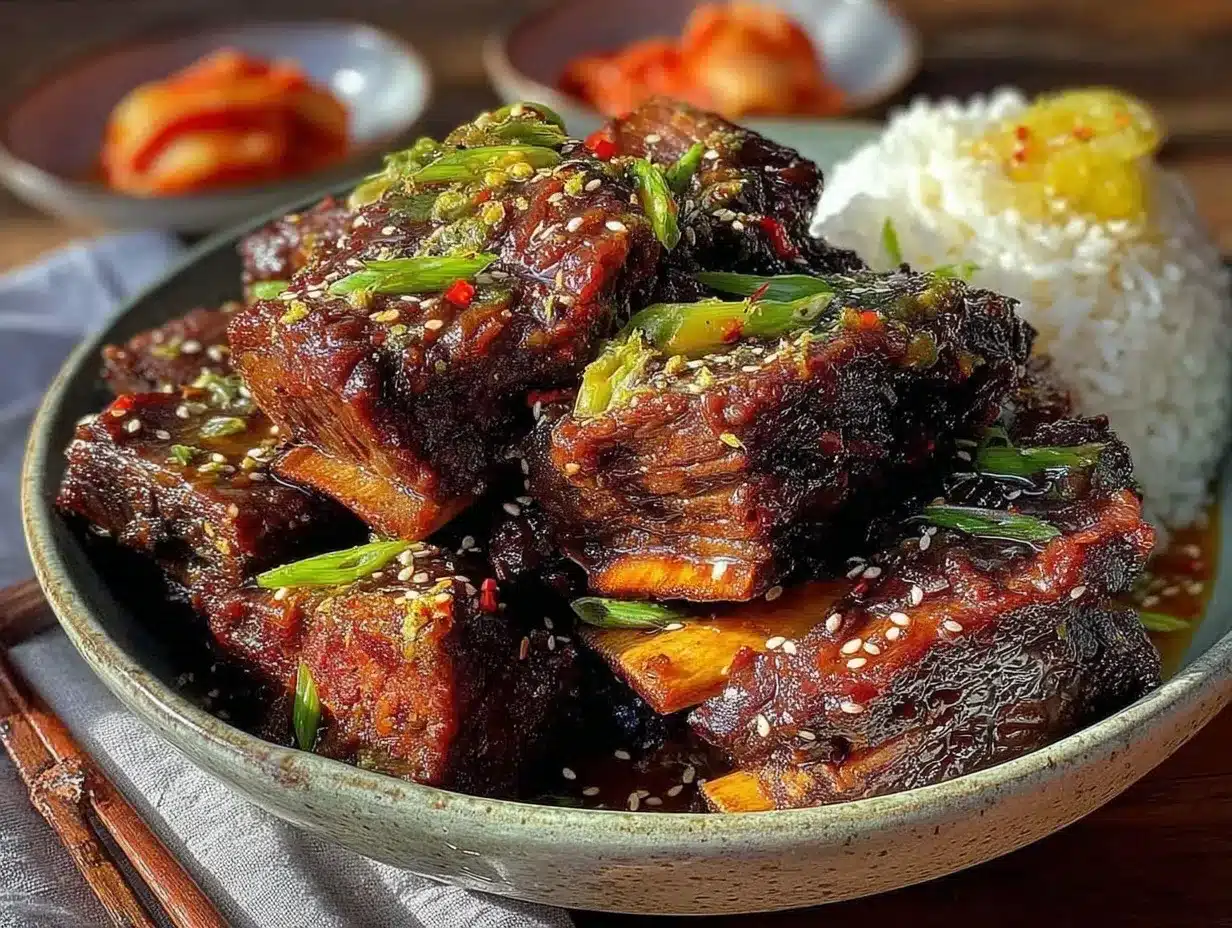
- Prep the Ribs: Pat the beef short ribs dry with paper towels. Sprinkle both sides with salt and pepper. If your ribs are extra fatty, trim excess fat for a cleaner glaze (but don’t go crazy—you want some for flavor).
- Sear the Short Ribs: Set your Instant Pot to ‘Sauté’ mode. Add a drizzle of sesame oil. When hot, brown the ribs in batches, about 2-3 minutes per side, until deeply golden. (Don’t overcrowd—otherwise, they’ll steam instead of caramelize. Trust me, I learned the hard way!) Transfer browned ribs to a plate.
- Deglaze the Pot: Pour in a splash of water or beef broth. Scrape up all those browned bits with a wooden spoon. That’s pure flavor—don’t skip this step!
- Mix the Braising Sauce: In a bowl, whisk together soy sauce (1/2 cup / 120 ml), water or broth (1/2 cup / 120 ml), brown sugar (1/3 cup / 70 g), gochujang (2 tbsp / 30 g), rice vinegar (2 tbsp / 30 ml), sesame oil (1 tbsp / 15 ml), garlic (4 cloves, minced), ginger (2 tbsp / 20 g, grated), and half the chopped scallions.
- Pressure Cook: Return ribs to the pot. Pour the sauce over the ribs. Add carrots or Asian pear if using. Lock the lid, set the valve to ‘Sealing,’ and cook on ‘High Pressure’ for 45 minutes (for super tender ribs). Natural release for 10-15 minutes, then quick release remaining pressure. If you’re using metric: 45 minutes at high pressure, natural release for 10-15 minutes.
- Make the Sticky Glaze: Remove ribs, set aside and cover loosely with foil. Strain the braising liquid into a saucepan, skimming off excess fat. Bring to a simmer, then whisk in cornstarch (1 tbsp / 8 g) dissolved in a splash of cold water. Stir constantly until thickened, about 2-3 minutes—it should coat the back of a spoon and look glossy.
- Glaze the Ribs: Return ribs to the pot or plate, pour the sticky glaze over the top. Toss gently to coat every piece. Sprinkle with sesame seeds and remaining scallions.
- Serve: Plate ribs over steamed rice, noodles, or roasted veggies. Spoon extra glaze over the top. (If you’re lucky enough to have leftovers, save some glaze for reheating!)
Troubleshooting: If your sauce is too thin, simmer a little longer or add extra cornstarch slurry. If the ribs aren’t tender enough, pressure cook for 5-10 more minutes. The beef should be fork-tender and the glaze sticky enough to cling—don’t worry if it takes a few tries to get your “perfect” texture. Sometimes I even double the glaze just for extra dipping!
Cooking Tips & Techniques
Every great recipe has a few secrets—especially when it comes to Korean beef short ribs. Here’s what I’ve learned after a few heroic kitchen fails and some delicious successes:
- Sear for Flavor: Browning the ribs is non-negotiable. Even if you’re in a hurry, that caramelized crust adds a ton of depth. I skipped it once (never again!)—the flavor just isn’t the same.
- Don’t Overcrowd: Sear ribs in batches. If you cram them all in, they’ll steam and lose out on that glorious crust.
- Use Fresh Garlic and Ginger: I know, jarred stuff is tempting, but fresh makes a world of difference. The aroma is unbeatable.
- Layer Your Flavors: Add carrots or Asian pear for a subtle sweetness that balances the heat of gochujang. Even a splash of apple juice works in a pinch.
- Natural Pressure Release: Let the Instant Pot release pressure naturally for at least 10 minutes. This keeps the beef juicy and helps the flavors meld.
- Glaze Consistency: For extra-sticky glaze, reduce the sauce a little longer or add an extra half tablespoon of cornstarch. Keep stirring—sometimes it thickens fast!
- Fat Skimming: Use a spoon or fat separator to remove excess oil from the braising liquid. Too much fat makes the glaze greasy (learned this after my first attempt).
- Multitasking: While ribs are cooking, prep your sides—rice, pickled veggies, or a quick cucumber salad. Makes dinner time a breeze.
Consistency is key. If your ribs aren’t falling apart, just pop them back in for another 5-10 minutes. No shame in tweaking! My best tip: Don’t rush the glaze. Let it simmer until it’s truly sticky—worth every minute.
Variations & Adaptations
One of the things I love most about this Korean beef short ribs recipe is how easily you can adapt it for different diets, seasons, and tastes. Here are some fun ways to make it your own:
- Low-Carb Version: Swap brown sugar for a sugar substitute like erythritol or monk fruit. Use coconut aminos instead of soy sauce for fewer carbs.
- Gluten-Free: Use tamari or certified gluten-free soy sauce. Double-check your gochujang—it’s often gluten-free but check labels just in case.
- Vegetarian Twist: Substitute beef short ribs with jackfruit chunks or extra-firm tofu. Use vegetable broth in place of beef broth. Cooking time will be much shorter—about 10 minutes on high pressure.
- Seasonal Swap: In summer, toss in fresh corn or snap peas for a pop of color. In fall, add diced sweet potatoes or butternut squash.
- Spice Level: Adjust gochujang to taste. Add fresh chili slices for extra heat, or reduce for a milder glaze (my kids prefer it on the sweet side).
- Pork or Chicken: This sticky glaze works beautifully with pork ribs or boneless skinless chicken thighs. Adjust cooking time—pork ribs need about 35 minutes, chicken thighs about 12 minutes.
- Personal Favorite: I sometimes add a splash of pineapple juice and a handful of chopped cilantro for a tangy, tropical twist. It’s a hit at summer cookouts!
Allergen alert: If you’re avoiding sesame, skip the oil and seeds—use olive oil instead. For soy allergies, coconut aminos are a great stand-in. Don’t be afraid to experiment. The base flavors are so forgiving, and customizing is half the fun!
Serving & Storage Suggestions
For the ultimate Korean beef short ribs experience, serve them piping hot, glazed and glistening, over a mound of steamed white rice or fluffy jasmine rice. Sprinkle with extra sesame seeds and scallions for that restaurant-style finish. If you want to get fancy, set out banchan (Korean side dishes) like kimchi, pickled radish, or quick cucumber salad. A cold glass of fizzy Korean soda or a crisp lager rounds out the meal!
Leftovers? Lucky you! Store ribs (and glaze) in an airtight container in the fridge for up to 3 days. They freeze beautifully for up to 2 months—just thaw overnight and reheat gently in the microwave or a low oven, spooning extra glaze over the top. Honestly, the flavor deepens by day two, making leftovers almost as good as fresh. If the glaze thickens too much, add a splash of water before reheating.
Pro tip: If you’re prepping ahead for a party, make the ribs a day early and reheat in the Instant Pot on ‘Keep Warm’ with a little extra braising liquid. The sticky glaze holds up and tastes even better after a little “rest!”
Nutritional Information & Benefits
Here’s the lowdown, just in case you’re tracking: Each serving of Korean beef short ribs (about 2 ribs with glaze) clocks in at approximately 450 calories, with 22g fat, 40g protein, and 18g carbohydrates. The beef provides a hearty dose of iron and zinc, while ginger and garlic bring anti-inflammatory perks. Gochujang offers antioxidants and a spicy kick, and swapping in coconut aminos or tamari makes this recipe friendly for gluten-free eaters.
Potential allergens: Soy, sesame, wheat (if using regular soy sauce), and beef. Always double-check packaged ingredients if you’re cooking for someone with allergies. From a wellness perspective, this recipe is pure comfort—high in protein, with the option to lighten things up using leaner cuts, more veggies, or substituting lower-sugar glaze. Honestly, it’s one of those meals that feels indulgent but is surprisingly balanced when you add rice and fresh veggies.
Conclusion
There’s just something special about these pressure cooker Korean beef short ribs—the kind of recipe that makes you pause, take a breath, and savor every bite. They’re quick, easy, and packed with flavor, making weeknight dinners or celebratory meals way more exciting. I love how you can tweak the spice, swap out ingredients, and make this dish truly your own. It’s become a staple in my kitchen, not just because it’s delicious, but because it brings people together around the table.
If you’re ready to try a Korean beef short ribs recipe that’s easy, sticky, and totally memorable, give this one a go. Leave a comment below if you have your own twist, share your photos on Pinterest, and let me know what you paired with it! Cooking is all about having fun and making memories, so don’t be afraid to experiment. Happy cooking—and may your ribs always be sticky and tender!
FAQs
Can I use boneless short ribs for this Korean beef short ribs recipe?
Yes, boneless short ribs work just fine! Reduce the pressure cooking time to about 35 minutes since they cook a bit faster. The flavor stays spot-on.
What if I don’t have gochujang for the sticky glaze?
No worries! Substitute with sriracha or a mix of chili paste and a little extra brown sugar. The taste will be different but still delicious.
Can I make these Korean beef short ribs ahead of time for a party?
Absolutely! Cook the ribs and glaze a day ahead, then reheat gently in the Instant Pot or oven before serving. The flavors deepen overnight.
Do I need to marinate the short ribs before cooking?
Nope! The pressure cooker infuses plenty of flavor, so marinating isn’t required. If you want to marinate for a few hours, it won’t hurt, but it’s optional.
What sides go best with Korean beef short ribs?
Steamed white rice, kimchi, pickled radish, and quick cucumber salad are classic. Roasted veggies or noodles also pair well for a complete meal.
Pin This Recipe!
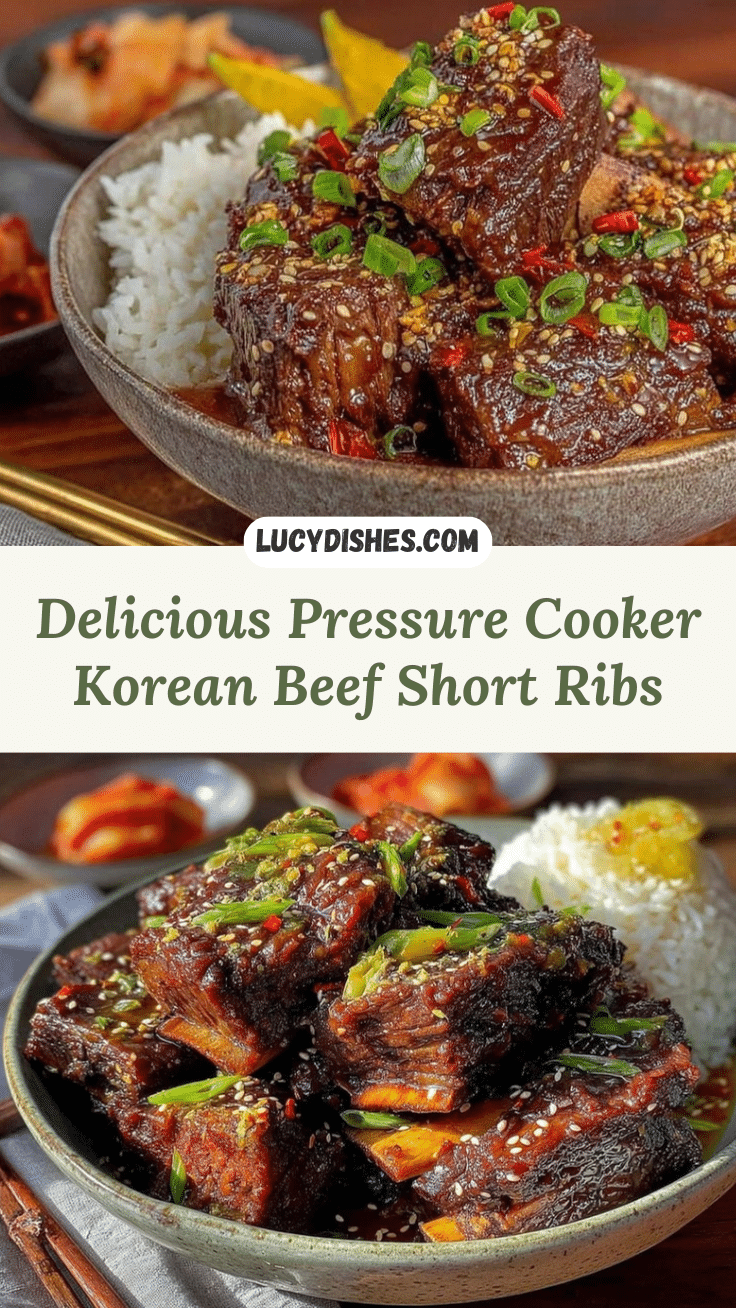
Korean Beef Short Ribs Recipe Easy Instant Pot Sticky Glaze Dinner
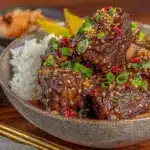
Tender, fall-apart Korean beef short ribs cooked quickly in the Instant Pot and finished with a glossy, sticky glaze. This recipe delivers restaurant-quality flavor with sweet, savory, and spicy notes, perfect for family dinners or entertaining guests.
- Prep Time: 15 minutes
- Cook Time: 45 minutes
- Total Time: 1 hour
- Yield: 4 servings 1x
- Category: Main Course
- Cuisine: Korean
Ingredients
- 3 lbs bone-in beef short ribs
- Salt and pepper, to taste
- 1/2 cup low-sodium soy sauce
- 1/2 cup water or beef broth
- 1/3 cup brown sugar, packed
- 2 tablespoons gochujang (Korean chili paste)
- 2 tablespoons rice vinegar
- 1 tablespoon sesame oil
- 4 cloves garlic, minced
- 2 tablespoons fresh ginger, grated
- 2 scallions, chopped (divided for sauce and garnish)
- 1 tablespoon cornstarch
- Sesame seeds, for garnish (optional)
- Carrots, peeled and sliced (optional)
- Asian pear, grated (optional)
- Fresh chili slices (optional)
Instructions
- Pat beef short ribs dry and season both sides with salt and pepper. Trim excess fat if desired.
- Set Instant Pot to ‘Sauté’ mode and add a drizzle of sesame oil. Brown ribs in batches, 2-3 minutes per side, then transfer to a plate.
- Deglaze the pot with a splash of water or beef broth, scraping up browned bits.
- In a bowl, whisk together soy sauce, water or broth, brown sugar, gochujang, rice vinegar, sesame oil, garlic, ginger, and half the scallions.
- Return ribs to the pot and pour sauce over them. Add carrots or Asian pear if using.
- Lock lid, set valve to ‘Sealing,’ and cook on ‘High Pressure’ for 45 minutes. Allow natural release for 10-15 minutes, then quick release.
- Remove ribs and cover loosely with foil. Strain braising liquid into a saucepan, skim off excess fat.
- Bring liquid to a simmer, whisk in cornstarch dissolved in a splash of cold water. Stir until thickened and glossy, about 2-3 minutes.
- Return ribs to pot or plate, pour sticky glaze over top, and toss gently to coat. Sprinkle with sesame seeds and remaining scallions.
- Serve hot over steamed rice, noodles, or roasted veggies. Spoon extra glaze over the top.
Notes
For extra flavor, sear ribs well before pressure cooking. Use fresh garlic and ginger for best results. Adjust gochujang for spice level. For gluten-free, use tamari and check gochujang labels. Ribs can be made ahead and reheated; leftovers taste even better. Skim fat from braising liquid for a cleaner glaze.
Nutrition
- Serving Size: About 2 ribs with gl
- Calories: 450
- Sugar: 12
- Sodium: 950
- Fat: 22
- Saturated Fat: 8
- Carbohydrates: 18
- Fiber: 1
- Protein: 40
Keywords: Korean beef short ribs, Instant Pot, sticky glaze, pressure cooker, easy dinner, Asian, gochujang, family meal, beef ribs, quick Korean recipe